

Visit the most beautiful caves in Périgord
Discover prehistoric caves
A visit to the prehistoric caves is a must in the Périgord Noir. Whether it is hot or chilly outside, the coolness of the caves is always appreciated. Our family campsite in Sarlat is the ideal starting point for exploring the area.
The Vézère Valley, north of Sarlat, is home to most of these sites. The village of Les Eyzies is also home to the National Prehistory Museum.
During your stay at our campsite in Sarlat, take a journey into the heart of prehistory by visiting these remarkable sites.
Périgord and its different cave styles
One of Dordogne’s great treasures is the chance to admire many different types of caves. The best known are the decorated caves such as Lascaux, as well as the caves around Sarlat and Bara-Bahau.
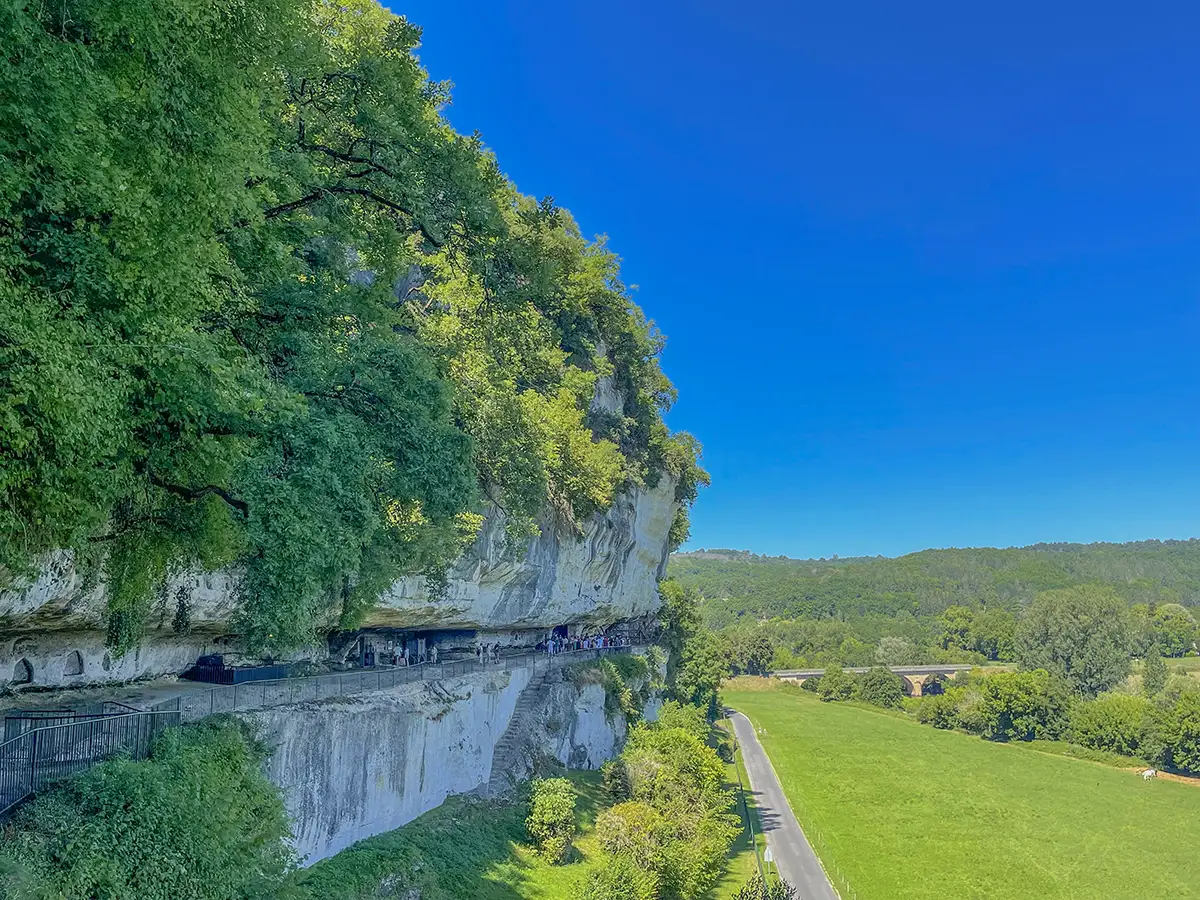
Périgord is also rich in prehistoric rock shelters. You can visit La Madeleine, Roc de Cazelle, La Roque Saint-Christophe or Le Conquil.
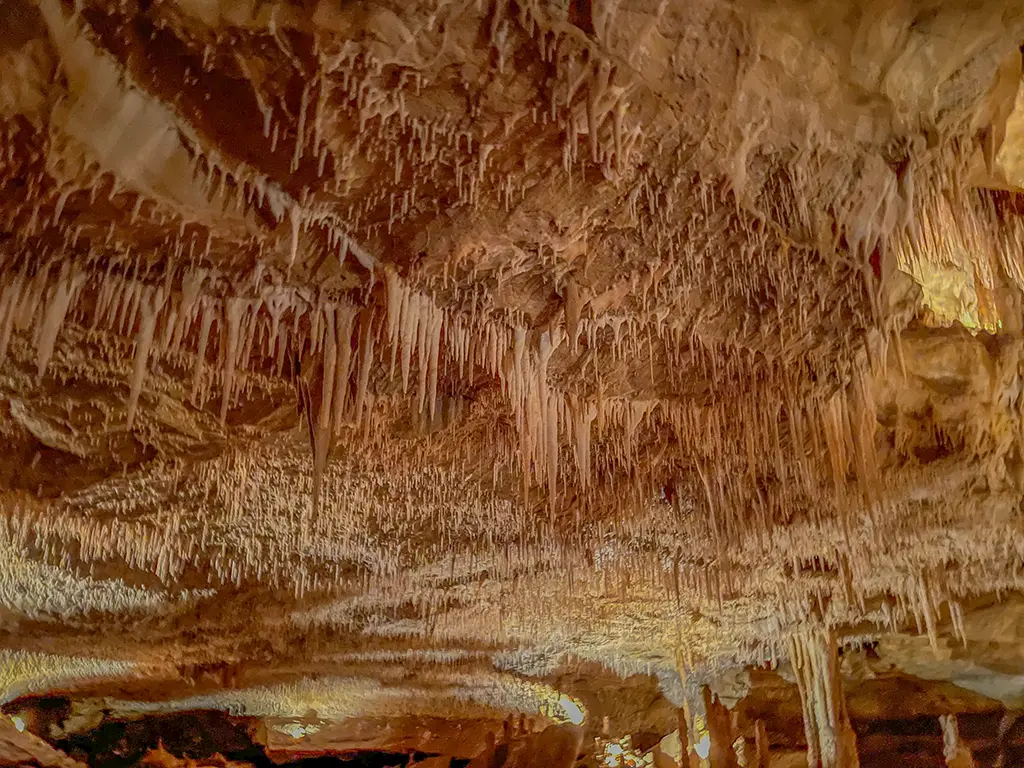
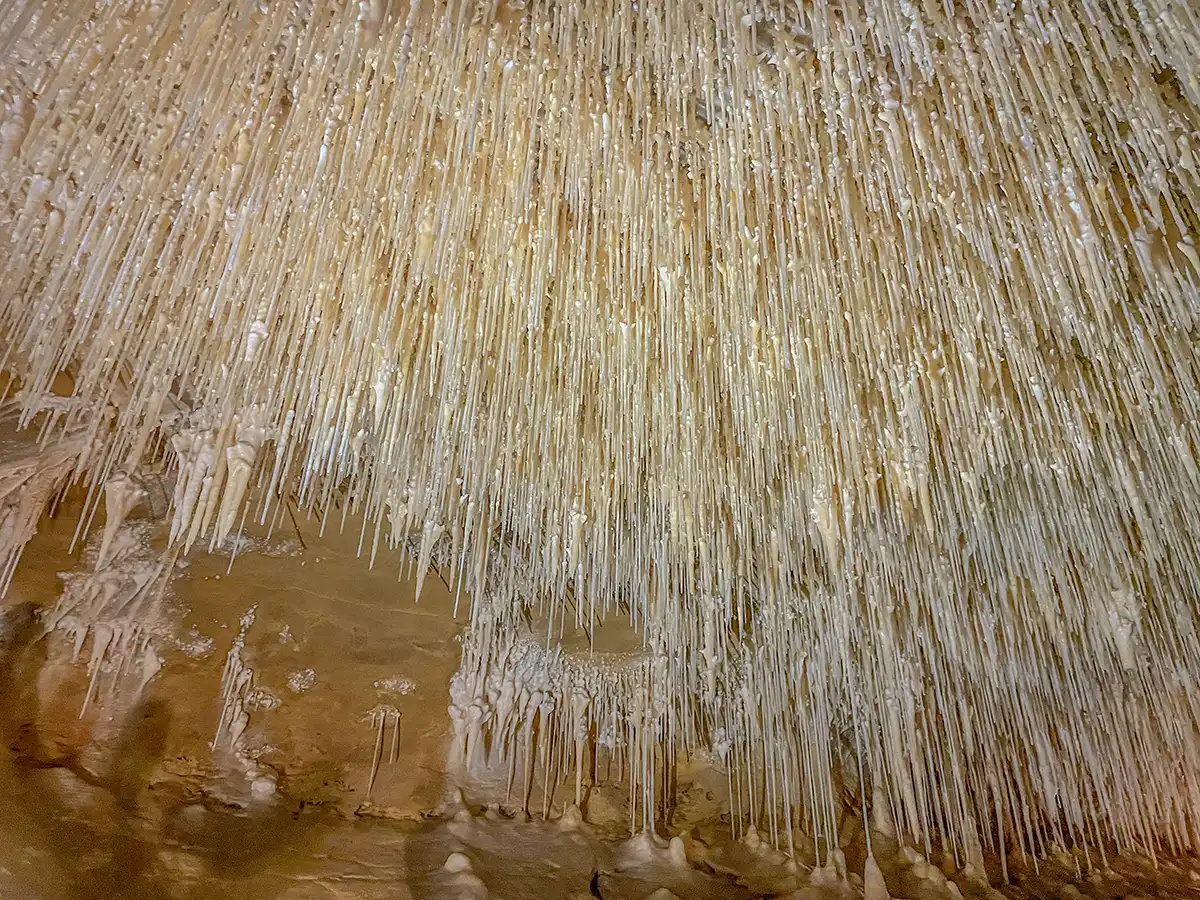
Finally, do not miss the chasms and concretion caves. Discover the Gouffre de Proumeyssac in Dordogne and the caves of Maxange, Cougnac and Grand Roc.
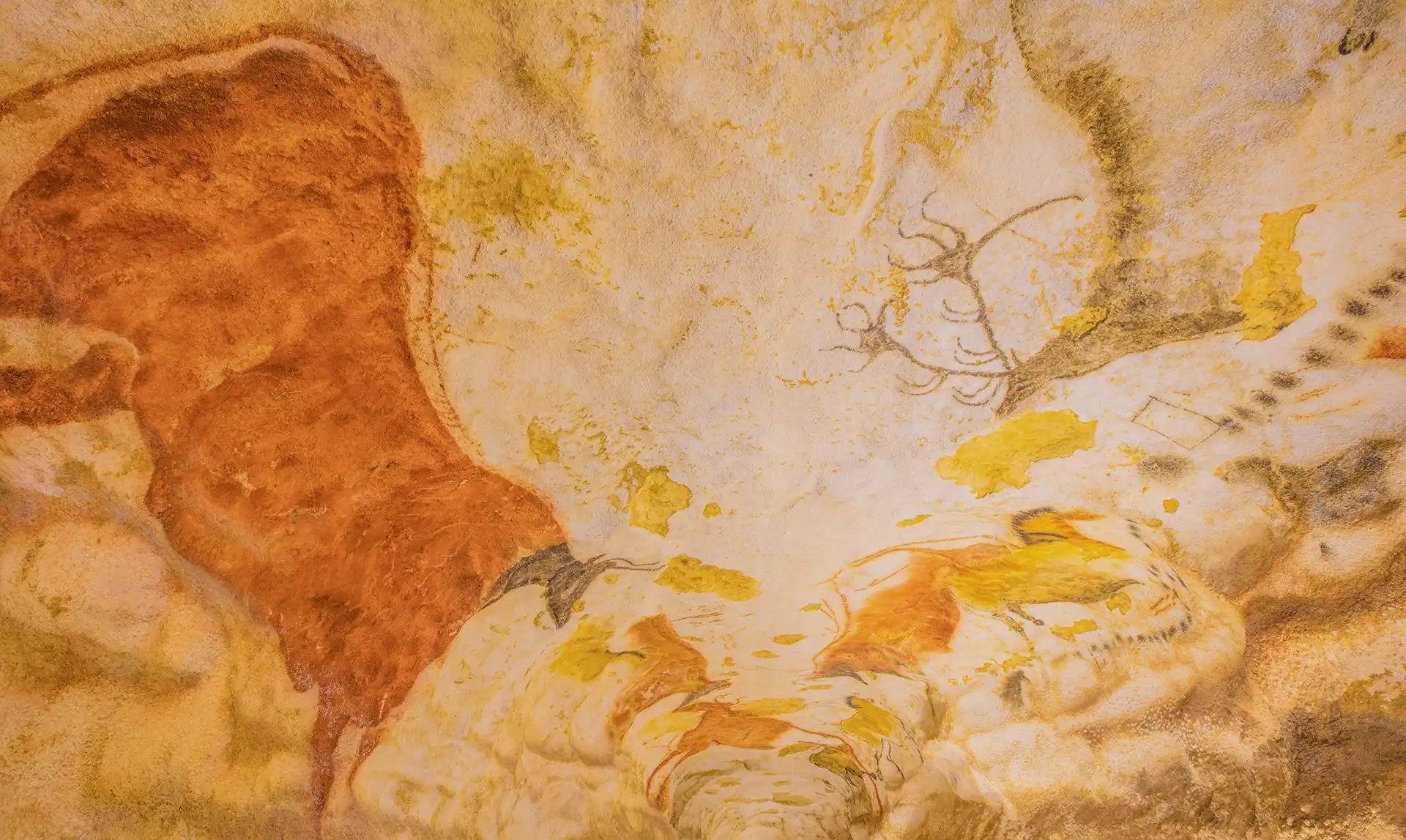
Lascaux Cave
The Lascaux Cave, 30 minutes from Sarlat, is the symbol of cave art. Its many frescoes depict around 600 animals, including horses, bulls, deer and felines, as well as mysterious symbols.
This exceptional, modern site features a complete replica of the original cave, projection rooms and a large auditorium, where you can learn even more about Lascaux.
Cave art will no longer hold any secrets for children, who can learn while having fun thanks to a tablet adapted to their age. Try the 3D virtual tour to explore every corner of the cave.
Discover the Gouffre de Padirac
If you are staying at our campsite near the Gouffre de Padirac, a visit to the Gouffre de Padirac is a must. As soon as you arrive, you will be amazed by the immensity of the chasm, which leads you down into the depths of the earth.
After a 75-metre descent by staircase or lift, you can admire the vegetation that has taken root inside the cavity. Then board a boat on the underground river and take your time admiring the rock walls and the various concretions shaped over time.
The galleries finally lead you into one of France’s largest underground chambers, where the majestic stalagmites offer an unforgettable sight.
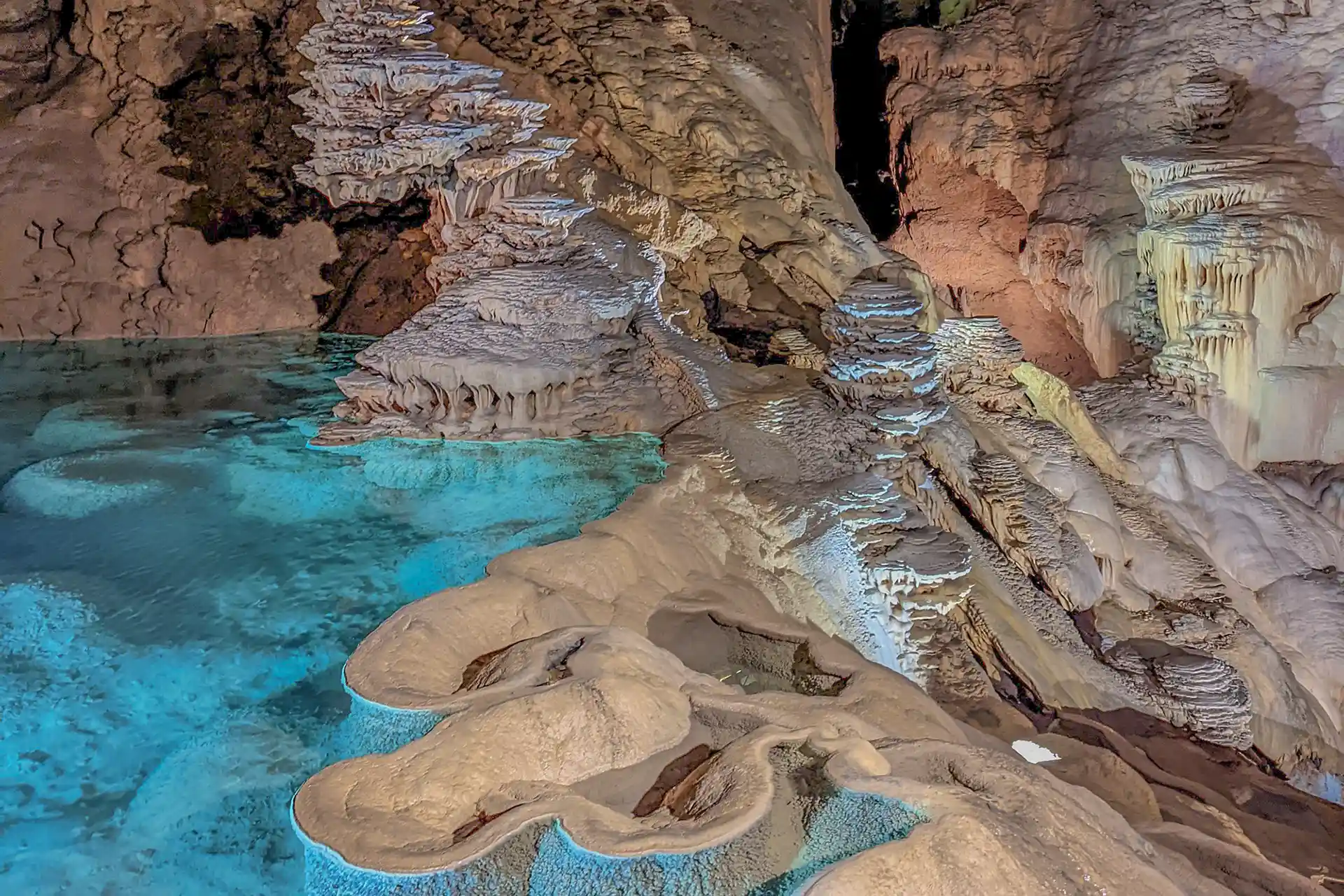
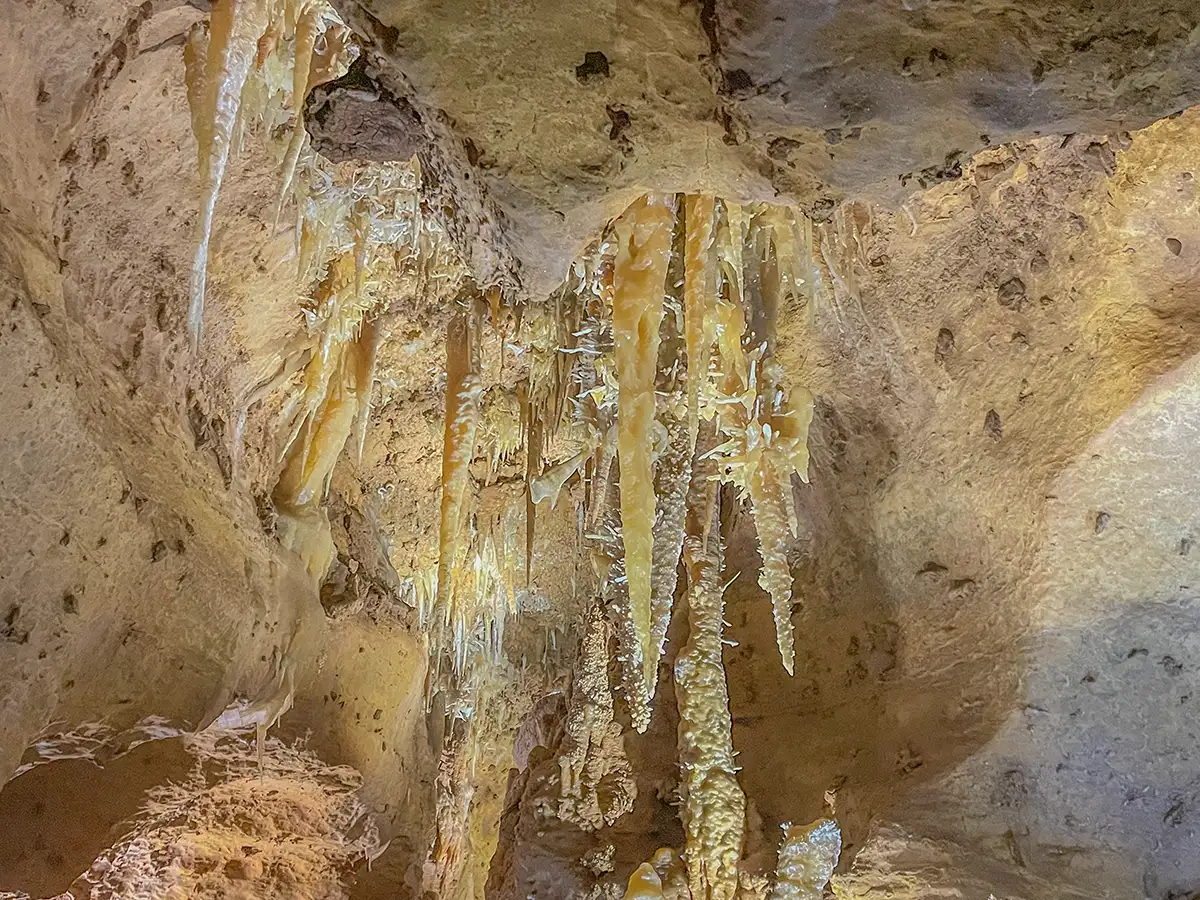
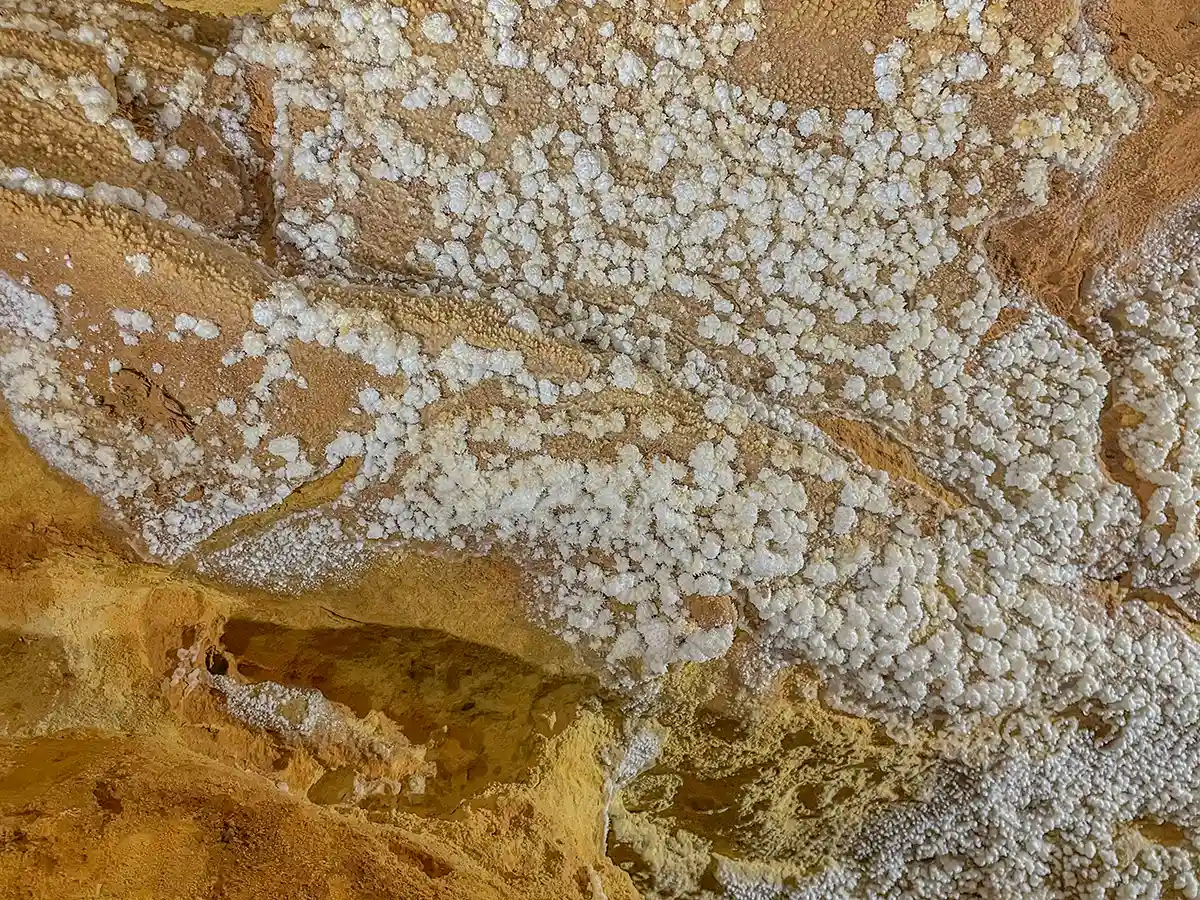
The Carbonnières Caves
Close to the Dordogne River, the Carbonnières Caves were only discovered very recently, in 2000. Visits began in 2018, making them the latest caves to open to the public in France.
The galleries have been designed to be accessible to everyone. They can therefore be visited with strollers and wheelchairs.
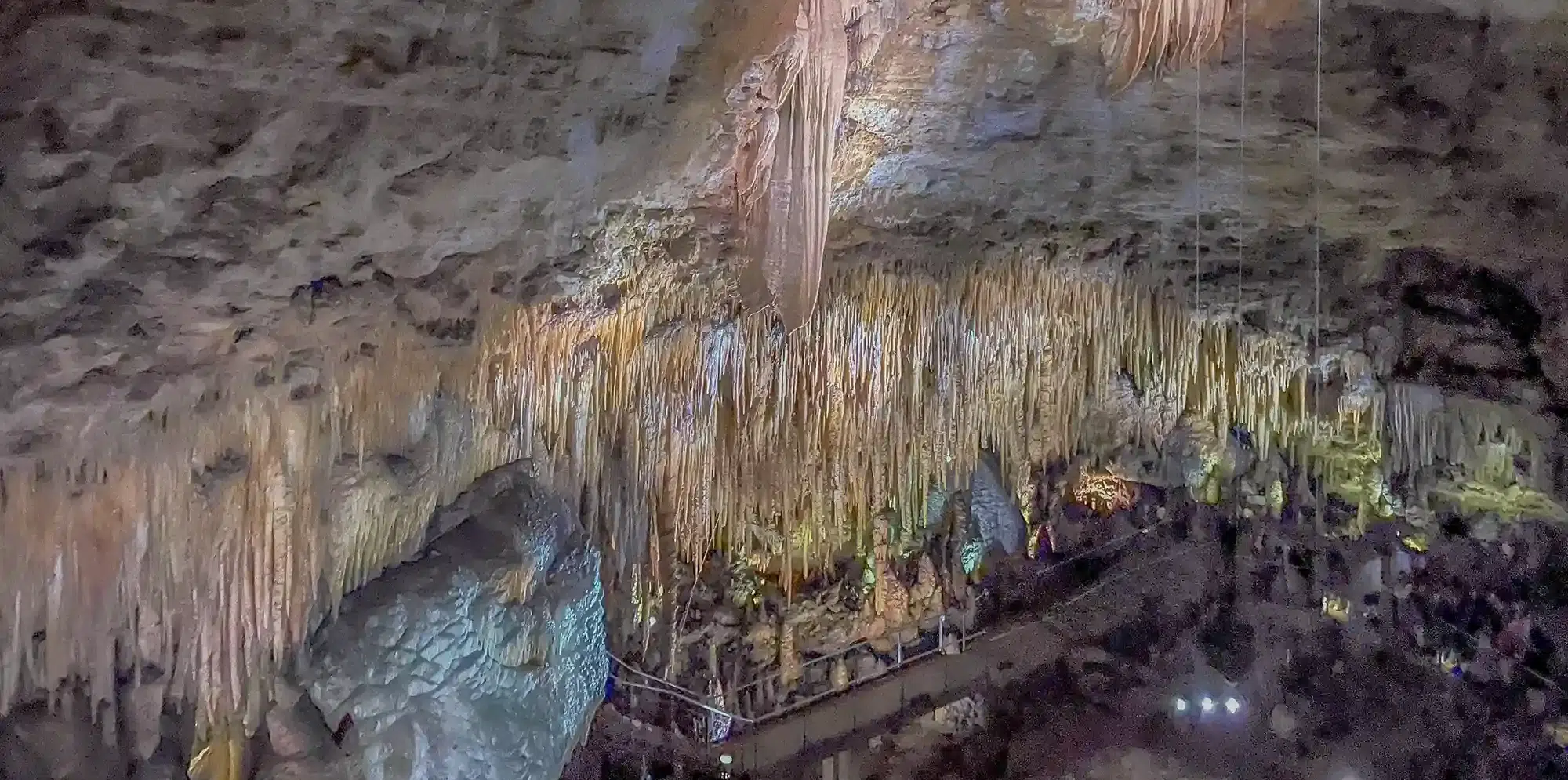
This cave near Rocamadour features a wide variety of limestone concretions, from stalactites to draperies, across six large chambers up to 15 metres high. The lighting effects give the site a magical atmosphere.
La Roque Saint-Christophe
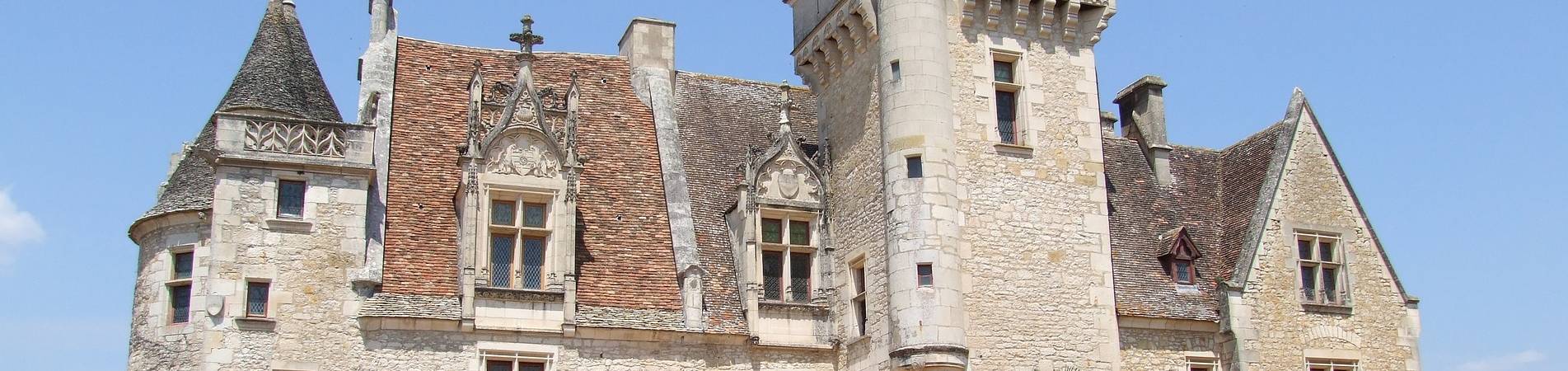
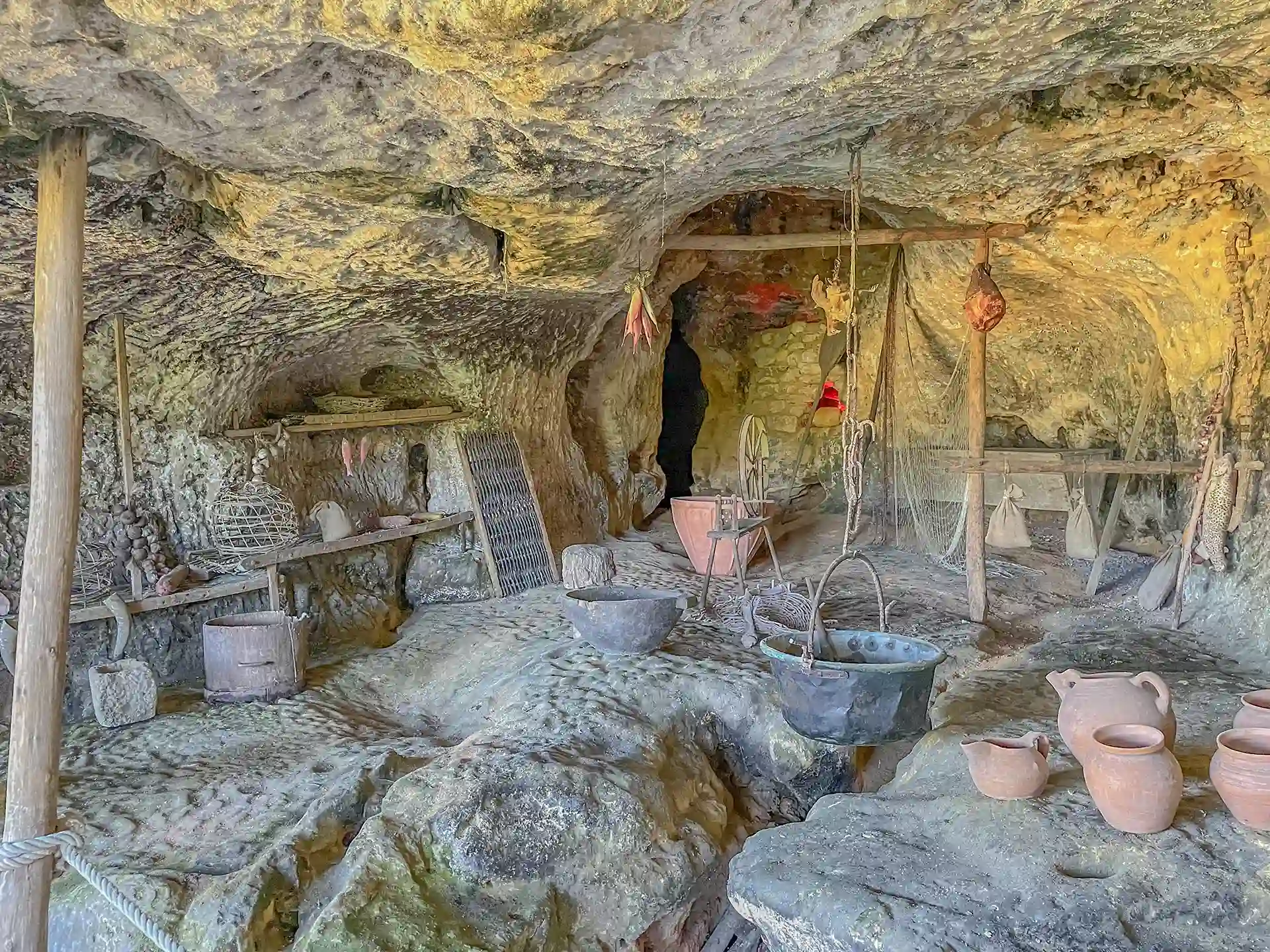
This ancient fortress in Dordogne is carved into the rock overlooking the Vézère River. The view over the valley is magnificent. The village of La Roque Saint-Christophe had its own defence system and a church.
The models show how troglodyte villages were organised in the Middle Ages. Follow the guide to see the civil engineering machines in operation. They were used to haul up livestock, building materials and wine barrels.
The Cougnac Caves
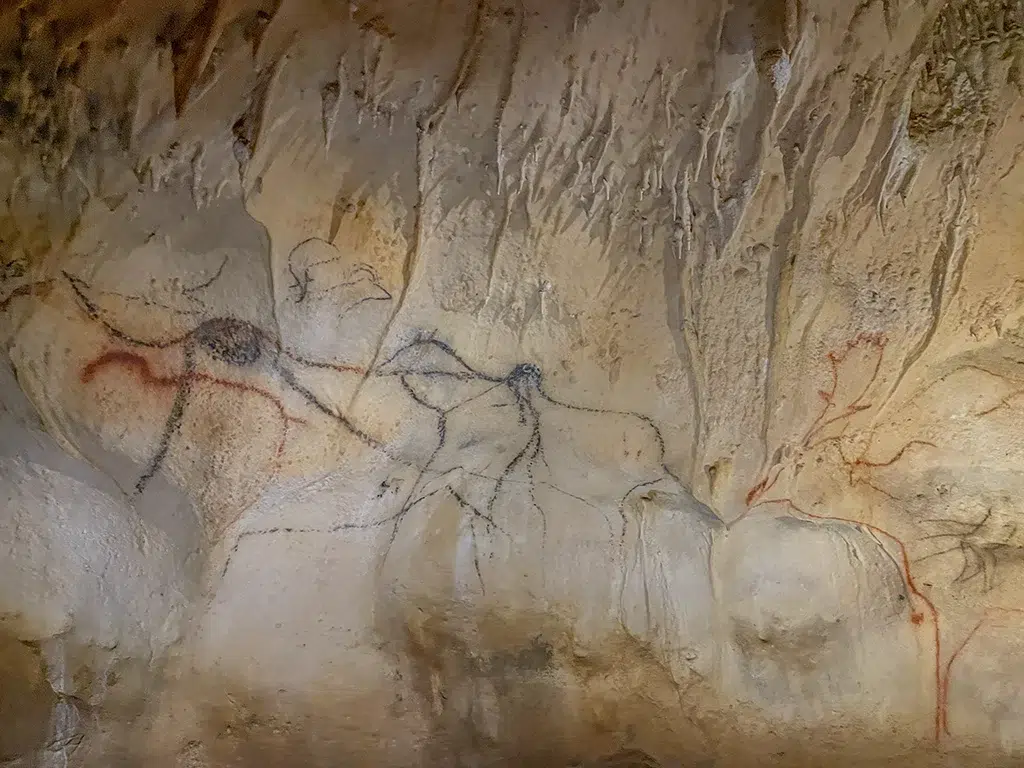
In the Lot department, close to the Dordogne border, the Cougnac Caves combine concretions and cave art. These two caves were discovered in 1949 and 1952.
In the first cavity, you can admire the stalactite ceiling, columns and draperies, beautifully highlighted by the lighting.
In the heart of the second cave, among the concretions, you will discover the decorated gallery, listed as a historic monument. Our ancestors depicted deer, mammoths and ibex.